Effective Wildlife Removal: Protect Your Home From Unwanted Pests
Effective wildlife removal is essential for homeowners facing unwanted pests. Squirrels, raccoons, and skunks are capable of causing considerable damage and presenting health hazards. Identifying signs of intrusion, such as droppings and tracks, is the first step in managing these issues. Understanding how to secure entry points and employ humane removal techniques can make related content a difference. Nevertheless, recognizing when to call for professional assistance may be essential to preserving a secure living space. What should homeowners consider next?
Detect Common Wildlife Pests in Your Neighborhood
What are the best ways for homeowners to recognize typical wildlife pests nearby? Gaining knowledge of the local environment is essential for homeowners looking to handle wildlife interactions. Regions often host various pests, including raccoons, squirrels, and skunks, each with distinct behaviors and habitats. Property owners ought to acquaint themselves with these creatures' features, including size, coat markings, and common habitats. To illustrate, raccoons are commonly spotted digging through refuse, while squirrels often establish nests in attics or surrounding trees.
Researching local wildlife using extension services or web-based resources can yield helpful knowledge. Moreover, engaging with neighbors can expose collective community experiences and common challenges. Noting seasonal changes is likewise vital, as particular pests are known to be more aggressive during defined periods of the year. By developing this awareness, residents can proactively manage wildlife challenges before they become serious.
Signs of Wildlife Intrusion: What to Look For
Animal intrusion can often be detected through several key indicators. Strange sounds after dark, fecal evidence, and footprints can suggest the existence of unwanted creatures. Furthermore, damage to property or insulation may also verify their presence on the premises.
Odd Noises During The Night
What is responsible for those mysterious sounds echoing through the night? Many homeowners find themselves baffled by sounds such as scraping, banging, or rustling, which can point to a wildlife problem. These sounds frequently come from animals looking for warmth or sustenance within attics, basements, or wall cavities. Squirrels, raccoons, and mice are common culprits, each generating recognizable sounds that can disrupt your household. Moreover, the timing of these noises can offer insight into the culprit; nocturnal creatures tend to be more active after dark. Recognizing these auditory signs is essential for identifying potential infestations early. Dismissing these unexpected sounds may lead to significant structural damage and expensive fixes, underscoring the need for swift evaluation and intervention.
Droppings And Animal Tracks
Droppings and tracks serve as clear indicators of animal activity on a property. Residents ought to remain alert when spotting these indicators to tackle likely infestations before they worsen. Wildlife feces may differ in dimensions, form, and hue, depending on the species; to illustrate, raccoon waste is generally larger and shows traces of undigested fruit. Prints discovered in soil or dusty surfaces can expose the species involved, with unique shapes and dimensions helping with recognition. To demonstrate, claw marks on surfaces may point to the presence of a raccoon or fox. Noticing these indicators early enables efficient animal control, minimizing the potential for damage and preserving a safe residential space. Periodic evaluations can aid residents in remaining aware of nearby wildlife behavior.
Property Or Insulation Damage
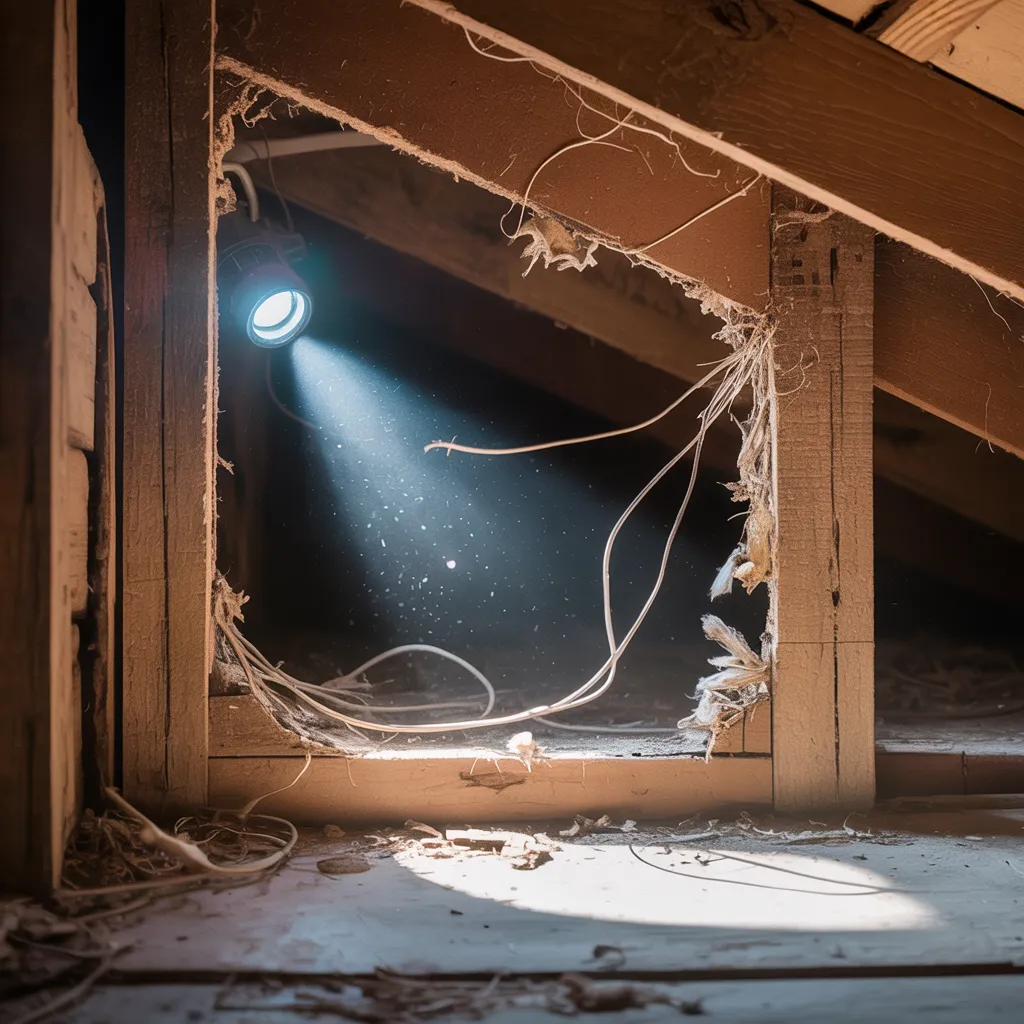
Signs of wildlife intrusion go further than waste and paw prints to include apparent harm to structures and insulation. Residents can detect chew marks on structural beams, walls, or electrical wires, signaling that rodents have infiltrated the space. Gnawed insulation, frequently located in attics or crawl spaces, acts as an additional red flag, as creatures look for materials to nest or sources of food. Additionally, water stains or mold can develop if wildlife compromises roofing or siding, leading to further structural issues. Unidentified scents can emerge from obscure locations, drawing attention to likely nesting areas. Prompt recognition of these indicators is essential; resolving issues quickly can avoid expensive repairs and ensure a more secure home. Consistent observation of property conditions is key to successful wildlife control.
How to Keep Wildlife Out of Your Home
Keeping wildlife out of a home is crucial for maintaining a safe and comfortable living environment. The first step involves addressing entry points; homeowners should survey their property for gaps, cracks, or holes in foundations, walls, and roofs. Closing these gaps with materials like steel mesh or caulk can stop animals from entering.
Furthermore, appropriate yard upkeep is essential. Pruning vegetation regularly and storing firewood at a safe distance from the house lowers the risk of attracting unwanted pests. Homeowners should also manage food sources by using secure trash bins and not leaving pet food outside.
Placing screens over windows and vents can significantly improve security. Routinely maintaining gutters and clearing away debris discourages wildlife from nesting. Additionally, learning about local wildlife behavior can offer important knowledge regarding possible dangers, making it possible to implement precautionary steps. Through the application of these methods, homeowners can significantly minimize the likelihood of uninvited wildlife encounters.
Ethical Wildlife Removal Methods
Many homeowners facing wildlife intrusions pursue compassionate removal strategies to secure both safety and consideration for the animals involved. These techniques focus on the welfare of the animals while effectively addressing the issue at hand. One frequently employed approach is the utilization of live traps, which permit the trapping of animals without causing injury. When caught, wildlife may be moved to a fitting location well away from residential neighborhoods.
A further strategy encompasses modifying the habitat, such as sealing entry points and securing food sources, preventing animals from revisiting the area. Additionally, natural deterrents can be applied to discourage animals without harming them.
Education plays an essential role, as a deeper knowledge of animal behavior can result in more efficient and compassionate approaches. Ultimately, compassionate wildlife removal practices show a commitment to peaceful coexistence, striking a balance between the requirements of homeowners and consideration for native wildlife.
Safety Precautions When Encountering Wildlife
When encountering wildlife, it is important to maintain composure and carefully evaluate the situation. Viewing the animal from a safe distance assists in understanding its actions and intentions. Direct contact ought to always be avoided to guarantee both the well-being of the animal and personal safety.
Remain Calm And Watch
Encountering wildlife can be an unexpectedly thrilling experience, but it also requires a measured approach to secure safety for both the observer and the animal. Keeping calm is vital; abrupt motions or sharp sounds can frighten the animal, potentially leading to erratic reactions. Onlookers should preserve an appropriate distance, using binoculars or cameras to admire the animal without disturbing its habitat. It is important to carefully evaluate the circumstances, taking note of the wildlife's conduct and setting. This consciousness can assist in evaluating potential risks. Familiarizing oneself with the innate behaviors and traits of the animal can improve the experience while reducing hazards. Through this approach, observers can savor the moment while safeguarding both themselves and the creature.
Steer Clear of Direct Contact
Maintaining a safe distance from wildlife is essential to guarantee both personal safety and the well-being of the animal. Close contact can cause stress and defensive responses in wildlife, creating the risk of injury for both individuals and animals. It is important to remember that wild animals can carry diseases, such as rabies, which pose serious health risks. Individuals should refrain from feeding or attempting to touch wildlife, as this can disrupt their natural behavior and create dependency on humans. When an encounter happens, bystanders should keep calm and carefully move away, being careful not to corner the creature. In cases of ongoing wildlife activity, reaching out to professional wildlife removal experts is recommended to handle the matter safely and humanely.
When You Should Contact a Professional for Wildlife Removal
Knowing the right time to hire a specialist for animal removal can be essential for both health and safety. Homeowners should seek expert assistance when they encounter wildlife species that present health hazards, such as skunks, bats, or raccoons. These animals are known to carry illnesses and can become aggressive when provoked. Moreover, if wildlife has entered living areas, expert assistance is necessary to avoid structural damage and health risks.
An additional situation that calls for expert assistance is when the animal is nesting or has young. This adds complexity to removal attempts and elevates the danger of harm. In addition, if a homeowner is unsure about the legal regulations concerning wildlife, experts can provide guidance on humane removal methods and local laws. In the end, identifying the indicators of a significant infestation or hazard can help ensure a secure and successful outcome for wildlife problems.
Commonly Asked Questions
What Are the Laws and Regulations Governing Wildlife Removal in My Area?
Laws and regulations for wildlife removal differ by region, typically governed by regional wildlife authorities. Homeowners should consult such agencies to understand permits, restrictions, and humane practices needed for handling and transporting wildlife within their jurisdiction.
Will Wildlife Come Back After Removal, and What Can I Do to Prevent It?
Wild animals may come back after being removed if entry points are not sealed. To avoid future intrusions, one must locate and seal possible entry points, eliminate attractants, and consider habitat modification around the property to prevent additional unwanted visits.
What Do Professional Wildlife Removal Services Typically Cost?
Rates for professional animal removal services commonly range from $200 to $2,500, influenced by considerations including the animal species, severity of the infestation, and your location. Extra charges may be added for repairs or preventive measures.
How Can I Tell What Kind of Wildlife Is Living in My Attic or Basement?
To detect wildlife in attics or basements, one should watch for particular indicators: nests, droppings, nighttime noises, and harm to insulation or wiring. Recognizing these indicators helps determine the type of animal present.
Do Any DIY Approaches Work Effectively for Wildlife Prevention?
Home-based approaches for keeping wildlife away include blocking potential entry areas, utilizing organic repellents including peppermint oil, and setting up motion-sensor lighting. These strategies can deter animals from approaching homes without posing any danger to the wildlife.